


Electric Vehicles vs Petrol Cars: What UK Drivers Prefer in 2026
Electric Vehicles vs Petrol Cars: What UK Drivers Prefer in 2026
UK new car registrations in 2026 reveal electric vehicles grabbing 28.5% of the market. That’s a jump from 19.6% back in 2024, drawing from Society of Motor Manufacturers and Traders figures. Petrol cars cling to 42% dominance. The divide shrinks, though. Debates rage on. Costs. Performance. Infrastructure. Real ownership tales. This piece dissects driver leanings across those fronts, arming UK motorists with hard numbers for smart picks.
Market Share Trends in EV vs Petrol Cars
SMMT tallies 456,000 battery electrics registered in 2025. Up 21% from the year before. Petrol clocked 612,000 sales. Down 8% from earlier highs. Hybrids sit at 29%. Pure electrics versus petrol cars show unmistakable momentum. Tesla Model Y topped EV charts with 35,000 units. Ford Puma led petrol at 28,000. Government perks like the Plug-in Car Grant, now faded, still echo in choices.
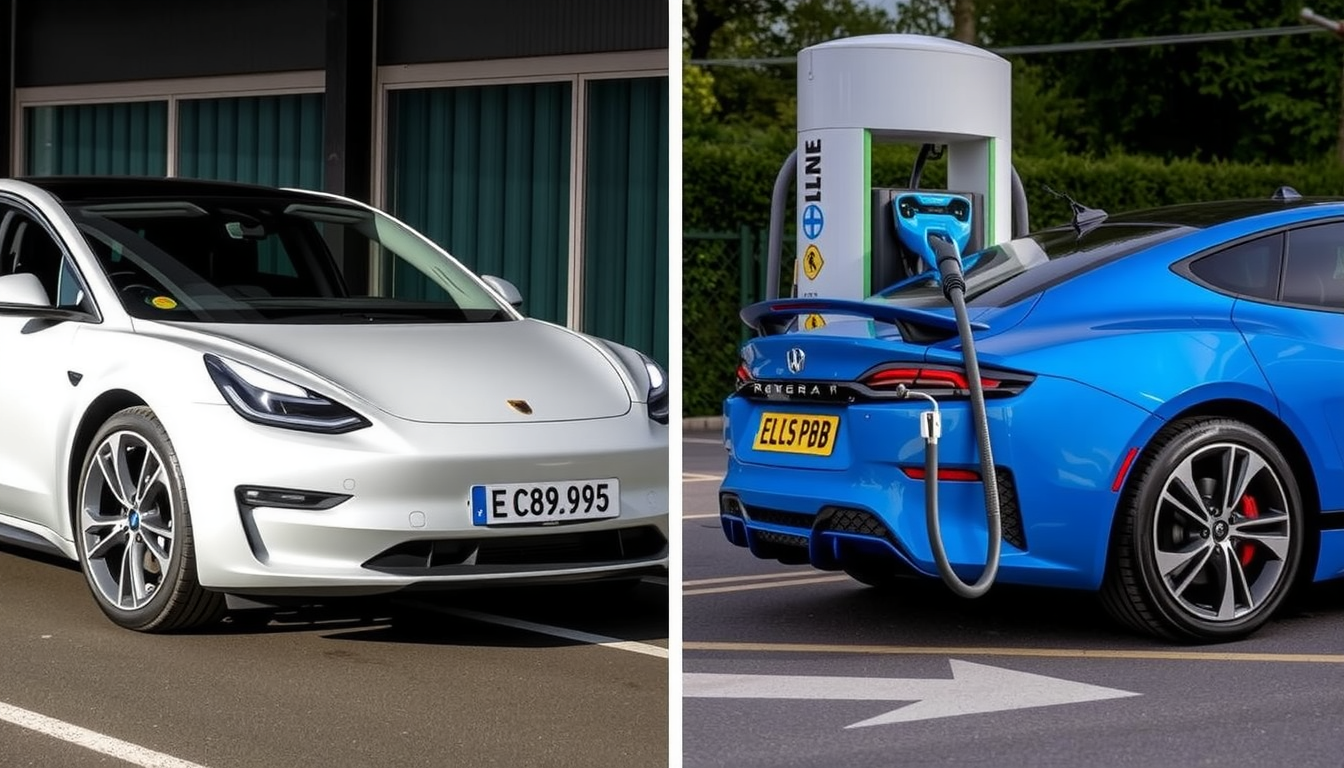
Fuel Price Comparison Heats Up the EV vs Petrol Cars Debate
Petrol averaged 142p per litre early 2026, says RAC Fuel Watch. A 60-litre tank? £8.52. Home off-peak electricity runs 28p per kWh. Fill a 60kWh EV battery for £16.80. Cheaper, even with climbing energy bills. Drive 10,000 miles a year. EV drivers pocket £650 savings over petrol, per AA math at 45mpg petrol efficiency and 3.5 miles per kWh electric. Public fast chargers at 79p/kWh trim that to £450. Fuel costs sway preferences hard.
Upfront and Total Ownership Costs in EV vs Petrol Cars
New petrol cars average £28,500 in 2026, Auto Trader index notes. EVs hit £39,200. Government salary sacrifice schemes slash £7,500 off electrics, landing many at £31,700 effective. Over five years, total cost per mile favors EVs at £0.05 against £0.12 for petrol. Consumer Reports UK crunched maintenance, tires, depreciation. Oil changes every 10,000 miles run £80 for petrol. EVs dodge them, stashing £400 yearly. Insurance bites EVs 15% harder at £850 a year from repair quirks. Long haul, electrics win wallets.
Performance and Range Realities for UK Drivers
Electrics pull ahead in punch. Kia EV6 hits 0-60mph in 5.2 seconds. WLTP range: 328 miles. Beats VW Golf’s 7.5 seconds and 350 real-world miles. Winter slashes EV range 22%, What Car? tests confirm—EV6 down to 255 miles. Petrol stays firm. Overnight home top-up adds 25 miles. Petrol refuels in five minutes flat. Motorway miles rack 8,000 yearly for UK drivers. MG4’s 281 miles covers 85% of trips under 100 miles, National Travel Survey data shows.
Charging vs Fueling Infrastructure Gaps
Zapmap counts 65,000 public UK chargers in 2026. Doubled since 2024. 12,000 ultra-rapid over 150kW. Motorways boast 1,200 spots against 8,500 petrol pumps. Rural Scotland scrapes 4 per 100km; London packs 12. Petrol ease suits 22% on errands, RAC polls find. Electrics lean 85% on home plugs. No lines. City dwellers gain as networks swell.
Environmental Impact Drives EV vs Petrol Cars Shift
No tailpipe CO2 from EVs. UK Government lifecycle math: 2.5 tonnes saved yearly over petrol’s 5.8 across 100,000 miles. Battery making spews 10 tonnes CO2, erased after 25,000 miles on 45% renewable grid. Petrol refining adds 0.8kg per litre. Emissions sway 62% of UK buyers, Deloitte 2026 poll reveals. Net-zero 2050 goals accelerate the turn.
Maintenance and Reliability in EV vs Petrol Cars
Electrics cut maintenance 30%. Skip timing belts, exhausts. Regen braking stretches pads to 100,000 miles. Warrantywise logs 20% fewer EV fixes at £250 average; petrol £380. Batteries fade 2% yearly past 100,000 miles on Nissan Leafs. Petrol timing chains snap at 80,000 for £1,200. Eight-year/100,000-mile EV battery warranties seal the deal.
UK Policy and Incentives Shaping Preferences
2026 Vehicle Excise Duty: £10 first-year for EVs, £205 for petrol over £40,000. Company car tax: 2% BIK electric rate crushes petrol’s 37%, trimming fleet costs £5,000 per rig yearly. London ULEZ nails non-EVs £12.50 daily. Fleets hit 40% electric, SMMT tracks. Private owners follow suit.
Resale Value Projections for EV vs Petrol Cars
Cap HPI forecasts EVs holding 55% value after three years/36,000 miles in 2026. Up from 45% in 2024, demand-fueled. Petrol slips to 48%, haunted by 2035 sales bans. Tesla Model 3 resells £22,000 from £38,000 new. Ford Fiesta petrol tumbles to £9,500 off £20,000. Battery checks lift EV prices 12%, auctions confirm.
Driver Demographics Favoring EVs Over Petrol
City dwellers under 45 pick EVs 65% of the time, YouGov 2026 says. Tech perks like over-air tweaks draw them. Rural over-55s grip petrol at 72%, range fears linger. Families go SUV: Audi Q4 e-tron triples petrol rivals in sales. Women snap up EVs 8% quicker than men, SMMT notes, chasing cheap runs.
| Factor | EV | Petrol |
|---|---|---|
| Running Cost (10k miles) | £450 | £1,100 |
| Range (Real-World) | 250-350 miles | 350-450 miles |
| 0-60mph (Avg) | 6 seconds | 8 seconds |
| CO2 (Annual) | 1.2 tonnes | 5.8 tonnes |
| Maintenance (5 yrs) | £1,200 | £2,800 |
Cost cuts and green gains pull UK drivers to EVs in 2026. Market share at 28.5% builds steam. Petrol hangs on via range comfort. Networks and rules erode that edge. Weigh fuel bills. Test drives. Charging reach. Total costs. Perks. Electrics claim the lead for most.





Recent Comments